
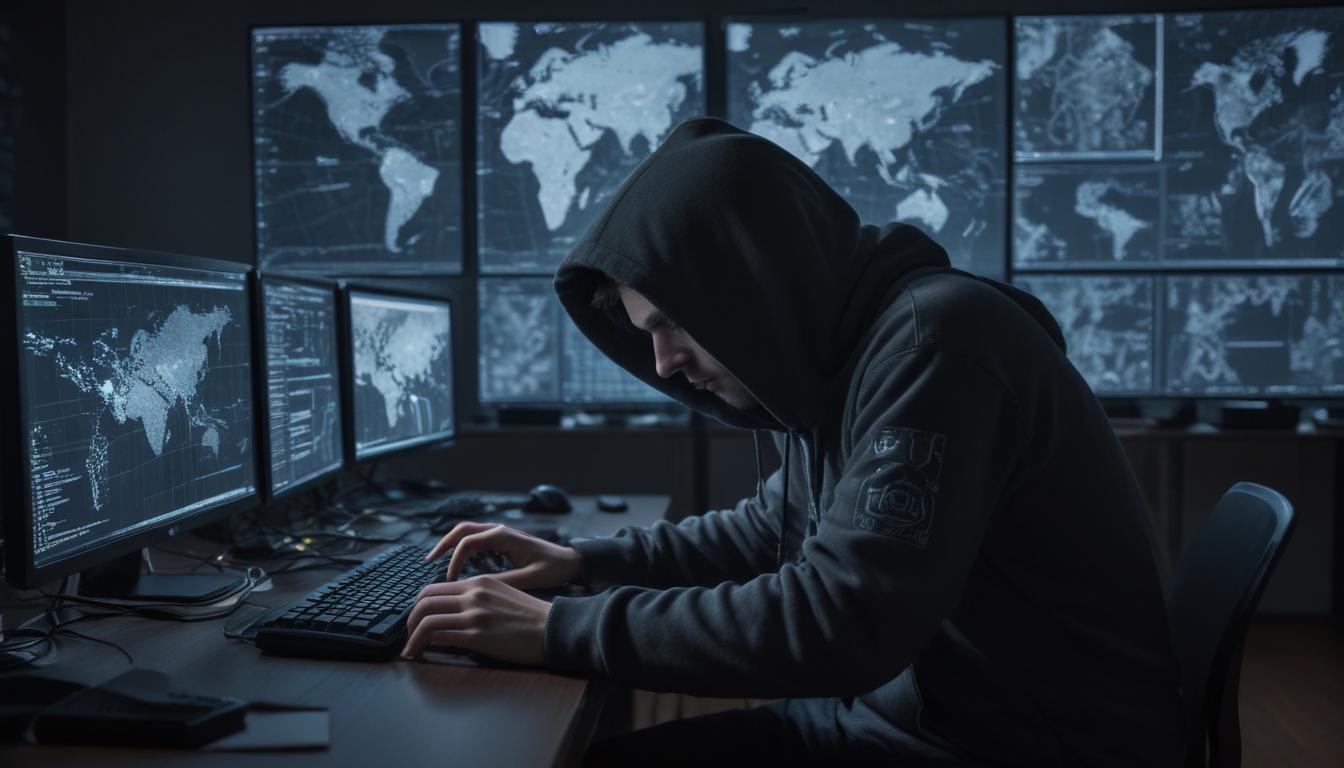
The last few days have seen a surge in cybersecurity incidents globally, including sophisticated fraud networks, impersonation scams, and data privacy controversies. This report consolidates the latest threats and law enforcement actions from multiple regions.
Cyber Fraud and Financial Scams
Cyber fraud and financial scams continue to plague the digital world. The Malkajgiri Cyber Crime Police in Telangana, India, recently arrested 13 individuals linked to six cyber fraud cases, primarily involving investment frauds. One instance involved a digital arrest scam, where perpetrators impersonated law enforcement to extort victims. The accused were part of a network that facilitated layered transactions to launder illicit funds. This highlights the growing sophistication of cyber fraud networks and the need for vigilant law enforcement actions. Reference: The Hindu.
Data Privacy and Surveillance Controversies
Data privacy concerns have emerged with LinkedIn accused of extensive browser surveillance. A report by Fairlinked e.V. revealed that LinkedIn uses hidden JavaScript scripts to scan users’ browsers for over 6,200 extensions and collect device-level data. Dubbed ‘BrowserGate’, this controversy suggests LinkedIn may use this data for competitive intelligence against tools like Apollo, Lusha, and ZoomInfo. LinkedIn denies the allegations, stating the scripts aim to prevent data scraping. Independent tests by BleepingComputer partially confirmed the technical behavior, raising questions about data usage and user consent. Reference: The Cyber Security Hub™.
In Mexico, a recent article warned about ‘vibe coding’—a trend in healthcare where solutions are built using intuition and speed rather than rigorous governance. While AI tools and no-code platforms lower barriers to innovation, they risk data leaks, regulatory violations (e.g., HIPAA, GDPR), and ethical breaches. The article emphasizes the need for AI governance frameworks, including data access controls, auditability, and vendor validation, to prevent crises like unauthorized data sharing or non-compliant storage. Healthcare data, being highly sensitive, demands stricter oversight than other industries.
Impersonation and Identity Theft Scams
Impersonation and identity theft scams are on the rise. The Social Security Administration (SSA) reported a 25% increase in government impersonation scams in 2025. Scammers use personalized details from data breaches to trick victims into sharing full SSNs, bank details, or verification codes. Tactics include fake SSA emails/texts with malicious links and urgent payment demands. The SSA clarified it never contacts individuals unsolicited for personal information or payments. Victims are advised to report scams via oig.ssa.gov/report and monitor credit reports for fraud. Reference: AOL.
Cybercriminals are increasingly employing sophisticated social engineering tactics to exploit trust. For example, a fraud network in Surat used fake bank accounts to launder funds, while a WhatsApp scam in Hyderabad impersonated executives to authorize fraudulent transactions. In both instances, victims were deceived by the urgency and authenticity of the requests. Newsmeter reported that the scammers exploited the WhatsApp Web feature, emphasizing the need for vigilance in digital communications. This trend highlights the importance of verifying requests through multiple channels.
Job scams have also seen a significant surge, particularly as remote work becomes more prevalent. Scammers exploit the economic vulnerability of job seekers by posting vague or overly lucrative job listings. These scams often demand upfront payments or personal data, such as SSNs or bank details. The Federal Trade Commission (FTC) notes that most fraud goes unreported, suggesting the actual losses are higher. Reference: ZDNet.
To combat these threats, organizations and individuals must prioritize cyber hygiene. This includes implementing multi-factor authentication (MFA) and end-to-end encryption for communications, as well as conducting regular cybersecurity training to recognize phishing and social engineering attempts. Individuals should never share personal or financial details via unsolicited calls, emails, or messages. Reporting scams to platforms like cybercrime.gov.in (India) or IdentityTheft.gov (U.S.) is crucial for mitigating risks. Helpline Numbers: India: National Cyber Crime Helpline 1930, U.S.: SSA Fraud Reporting oig.ssa.gov/report.
Law Enforcement and Preventive Measures
Law enforcement agencies recommend several precautions to combat cyber threats. For Organizations: implement multi-factor authentication (MFA), end-to-end encryption for communications, regular cybersecurity training, logging out of WhatsApp Web after use, and using AI governance frameworks. For Individuals: never share personal/financial details via unsolicited calls, emails, or messages, verify job listings directly with companies, report scams immediately to platforms like cybercrime.gov.in (India) or IdentityTheft.gov (U.S.), and monitor credit reports for unauthorized activity. Helpline Numbers: India: National Cyber Crime Helpline 1930, U.S.: SSA Fraud Reporting.
Final words
The recent surge in cybersecurity incidents highlights a multifaceted threat landscape dominated by financial fraud, data privacy risks, and impersonation scams. While law enforcement has made significant progress, the adaptability of cybercriminals poses ongoing challenges. Organizations and individuals must prioritize cyber hygiene, governance frameworks, and rapid incident reporting to mitigate risks. As regulatory scrutiny intensifies, balancing innovation and compliance will remain critical. Contact us for more information.