
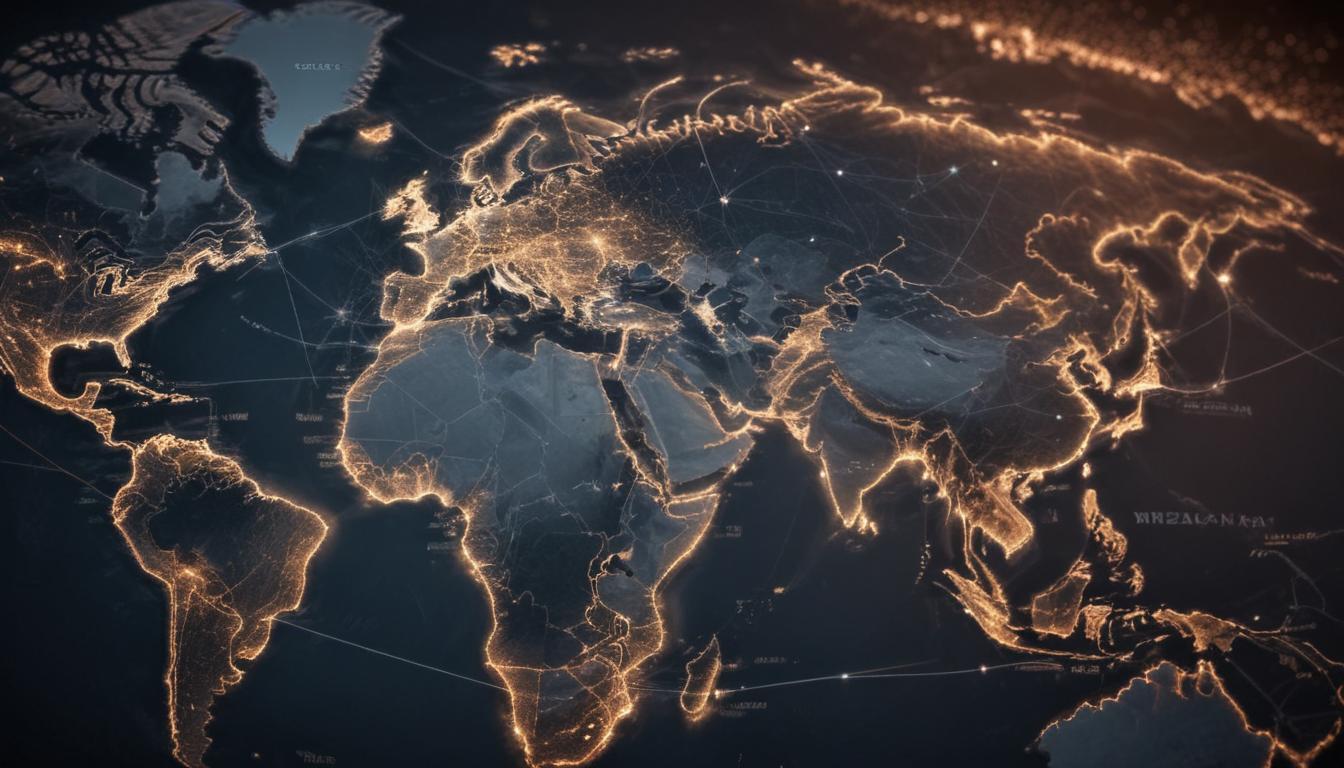
Cybersecurity incidents are surging globally, affecting individuals, governments, and enterprises. This report delves into recent events, including cyber fraud, phishing attacks, geopolitical threats, and vulnerabilities in cloud services.
Cyber Fraud and Scams: Exploiting Conflict and Vulnerabilities
Amid geopolitical conflicts, Nepalis in West Asia face increasing cyber fraud threats. Scammers impersonate embassy officials, hacking WhatsApp accounts to extort money. The Non-Resident Nepali Association (NRNA) in Israel urges caution, advising users to enable two-step verification and verify requests directly with the sender. Similar frauds occur in Saudi Arabia and Kuwait, with embassies issuing warnings. The Cyber Bureau of Nepal Police reports rising cases of hacked WhatsApp accounts sending fraudulent SOS messages.
For more details, refer to the original article: Onlinekhabar.
Phishing Attacks: Targeting Governments, Taxpayers, and Enterprises
Phishing attacks continue to pose significant threats to local governments, taxpayers, and enterprises. Recent incidents include:
- Ohio County Data Breach: Employees fell victim to a phishing attack, potentially exposing resident data. The county hired Kutak Rock to assess the breach’s scope, highlighting the need for enhanced employee training and email filtering.
- IRS-Themed Phishing Surge: Microsoft warned of a sophisticated phishing campaign exploiting tax season anxiety, with over 29,000 users targeted. The IRS reiterated it does not initiate contact via email, text, or social media. PaymentsJournal
- Russian Espionage via Signal: The FBI and CISA issued a joint alert about a large-scale phishing campaign by Russian Intelligence Services targeting Signal and other messaging apps, compromising thousands of accounts. Kcnet.in
For more details, refer to the original article: GovTech.
Critical Infrastructure and Geopolitical Threats
Critical infrastructure faces growing geopolitical threats, including:
- Baltimore’s Data Center Moratorium: The Baltimore City Council introduced a one-year moratorium on data centers exceeding 10 megawatts, allowing time for regulatory planning to ensure resident safety and infrastructure integrity. This move reflects concerns about energy consumption and community impact. FOX Baltimore
- Iran’s Threat to Red Sea Cables: Reports suggest Iran has threatened to damage undersea internet cables in the Red Sea, which carry 17% of global traffic. This disruption could cause months-long outages, affecting financial transactions, cloud services, and AI workloads. India, heavily reliant on these cables, faces potential economic consequences, including slowed digital payments and cloud services. Times of India
For more details, refer to the original article: FOX Baltimore.
Cloud and AI Security: Vulnerabilities in AWS Bedrock
Security researchers identified eight attack vectors in AWS Bedrock, exploiting its connectivity to enterprise systems. Key risks include:
- Model Invocation Log Attacks: Attackers can redirect logs to malicious S3 buckets or delete evidence of jailbreaking.
- Knowledge Base Attacks: Compromising data sources or vector databases to exfiltrate sensitive data or gain lateral access to Active Directory.
- Agent and Flow Attacks: Injecting malicious Lambda functions or modifying workflow conditions to bypass authorization checks.
- Guardrail and Prompt Attacks: Weakening content filters or injecting malicious instructions into centralized prompts, enabling mass data exfiltration.
These vulnerabilities highlight the need for strict permission controls and attack path mapping to secure AI workloads in Bedrock environments. For more details, refer to the original article: The Hacker News.
For a deeper dive into the broader implications of AI in cybersecurity, explore our internal blog article: AI in Cybersecurity: Innovation and Risk Management.
Final words
The cybersecurity landscape in March 2026 highlights escalating threats driven by geopolitical tensions, technological vulnerabilities, and socio-economic factors. While innovations offer mitigation pathways, the persistent human factor remains a central challenge. Organizations and governments must prioritize holistic strategies combining technical defenses, public awareness, and policy interventions. For further updates, monitor official advisories from CISA, FBI, IRS, and local cybersecurity agencies.