
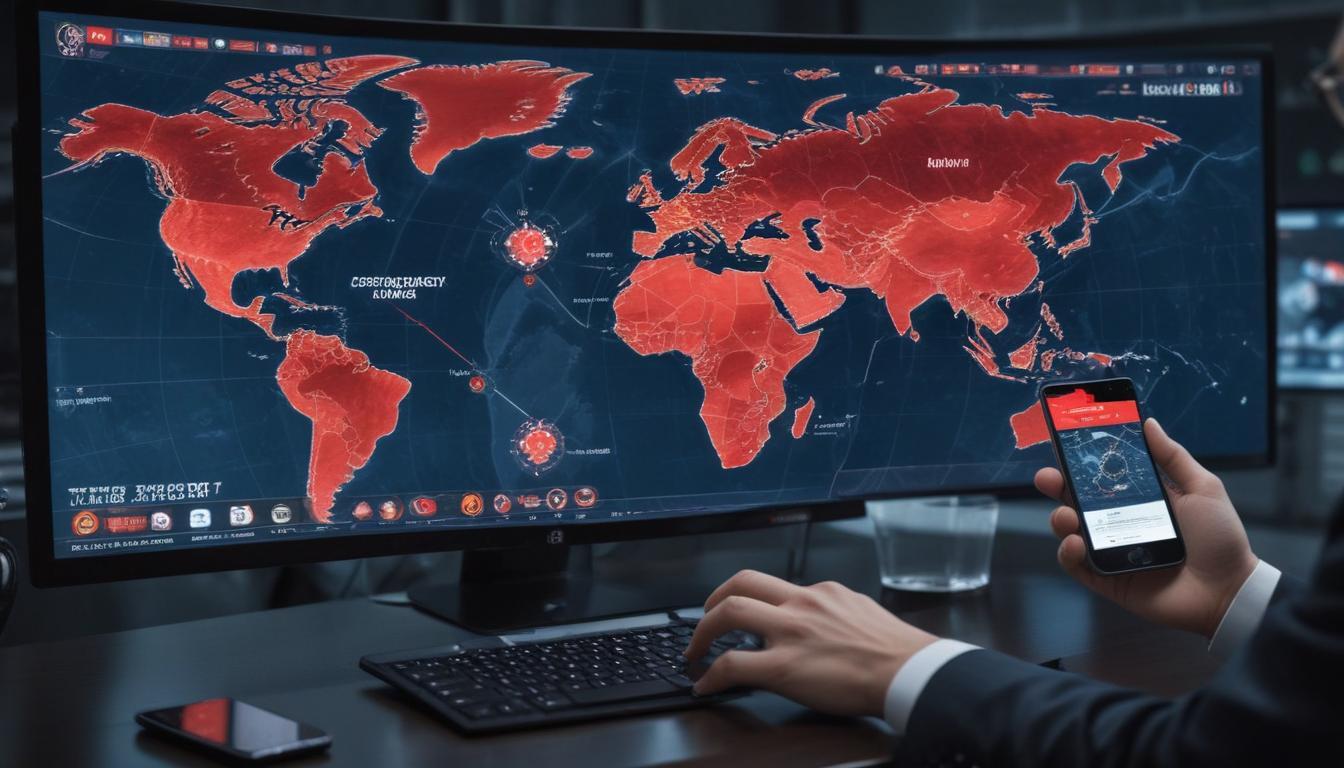
Cybersecurity threats continue to escalate globally, with recent incidents highlighting state-sponsored espionage, sophisticated phishing scams, and diplomatic tensions. This report examines the latest developments, including AI-powered fraud detection and financial scams exploiting geopolitical instability.
Phishing and Financial Fraud: Exploiting Global Instability
South Korea has seen a significant reduction in phishing incidents due to the implementation of Circuit Breaker, an AI-driven system developed by KT Corporation and the National Police Agency. The system has successfully identified 9,822 suspicious numbers, leading to a 25% drop in phishing reports. Voice phishing, particularly those impersonating government agencies, has decreased by 44%, while loan-fraud scams have fallen by 40%. The AI model’s effectiveness in flagging numbers linked to 75% of reported phishing damages has enabled preemptive blocking, highlighting the potential of AI in cybersecurity (Sedaily).
However, the Middle East conflict has led to a surge in voice phishing scams in South Korea. Fraudsters are exploiting public anxiety by impersonating government agencies such as the Ministry of Trade and KOTRA. They offer fake support programs like ‘Emergency export vouchers’ and ‘Nationwide energy voucher payments’. Victims receive SMS messages with malicious links or calls from operators demanding fund transfers. Authorities urge the public to verify through official channels and report suspicious numbers (Khan.co.kr).
In India, a retired Indian Army Colonel fell victim to a courier scam, losing ₹12.05 lakh. The scam began with a Google search for a courier service, leading to a fake executive who tricked the victim into downloading a malicious APK file. Subsequent WhatsApp messages directed him to install malware, compromising his SBI account. This incident underscores the need for vigilance in verifying online services and the risks associated with unsolicited downloads. Cyber police are investigating the case (Times of India).
Phishing and Financial Fraud: Exploiting Global Instability
South Korea’s KT Corporation and the National Police Agency have launched ‘Circuit Breaker’, an AI-driven system to detect and block phishing numbers. Since January 2026, the system has identified 9,822 suspicious numbers, reducing phishing reports by 25% (from 10,496 to 7,843 cases). Voice phishing impersonating government agencies dropped by 44%, while loan-fraud scams decreased by 40%. The AI model, developed by KT’s Future Network Research Institute, flagged numbers later linked to 75% of reported phishing damages, enabling preemptive blocking (Sedaily).
South Korea’s Financial Supervisory Service warned of a surge in voice phishing scams exploiting anxiety over the Middle East conflict. Fraudsters impersonate government agencies (e.g., Ministry of Trade, KOTRA) with fake support programs like ‘Emergency export vouchers’ or ‘Nationwide energy voucher payments’. Victims are lured via SMS with malicious links or call-center operators demanding fund transfers under the guise of loan repayment. Authorities urge verification through official channels and report suspicious numbers to police (Khan.co.kr).
A retired Indian Army Colonel in Chandigarh fell victim to a courier scam, losing ₹12.05 lakh after downloading a malicious APK file. The fraud began with a Google search for a courier service, leading to a fake executive who tricked the victim into paying a nominal fee. Subsequent WhatsApp messages directed him to install malware, compromising his SBI account. Cyber police registered a case but have yet to make arrests (Times of India).
These incidents highlight the increasing sophistication of phishing scams, which adapt quickly to exploit global instability and personal vulnerabilities. The use of AI in detection systems like Circuit Breaker shows promise in mitigating these threats, but continuous vigilance and education are essential to stay ahead of evolving tactics (kcnet.in).
Industry-Specific Threats: Hospitality Sector Under Siege
The hospitality industry faces escalating phishing attacks, with ransomware groups like Kairos targeting hotel chains. In February 2026, Seagrass Boutique Hospitality Group (managing 13 Meat & Wine Co. locations) suffered a breach where 50 GB of data was stolen and leaked. Attackers exploit hotel property management systems (PMS) and booking channels, sending fake reservation confirmations to guests.
Experts recommend four critical defenses:
- Phishing-resistant MFA: Adopt passkey-based authentication (e.g., FIDO Alliance standards) to replace vulnerable SMS codes (kcnet.in).
- Staff training: Encourage bookmarks over search engines to avoid fake login pages and report suspicious emails.
- Password hygiene: Enforce unique, strong passphrases and disable shared logins (e.g., [email protected]).
- Software updates: Patch systems promptly and deploy antivirus/malware protection with regular backups (Cyber Daily AU).
Global Scam Trends and Mitigation Strategies for 2026
A FindArticles report outlines evolving scam tactics in 2026, including:
- AI-driven social engineering: Deepfake voices/videos and ‘quishing’ (malicious QR codes) on menus/parking meters. This trend aligns with broader AI-driven fraud tactics discussed in our AI in Cybersecurity summary.
- ‘Pig butchering’: Long-term romance scams culminating in fraudulent investments. The financial fraud and emotional manipulation in these scams are similar to the tactics uncovered in the financial fraud cases of early 2026.
- Urgency-based lures: Fake delivery texts, tax threats, and refund requests. These tactics exploit the heightened global anxiety over geopolitical instability, as seen in the cyber warfare escalations.
Defensive measures include:
- Passkeys and MFA: Prioritize FIDO2-compliant passkeys over passwords; use authenticator apps/hardware keys. This aligns with the FindArticles playbook on avoiding online scams.
- Channel verification: Confirm requests via official contacts (e.g., bank’s published phone number). This is crucial due to the rise in geopolitical cyber threats.
- Payment safeguards: Use virtual cards (single-merchant limits) and enable real-time transaction alerts. The escalating cybersecurity incidents highlight the need for robust payment protections.
- Digital hygiene: Segment browsing (e.g., separate profiles for banking/shopping), opt out of data brokers, and monitor breach notifications (FindArticles).
Final words
The recent cybersecurity incidents underscore the need for evidence-based attribution in cyberespionage cases to avoid diplomatic escalation. AI tools like KT’s Circuit Breaker demonstrate the effectiveness of preemptive blocking, but scammers adapt quickly. Sector-specific vulnerabilities in hospitality and banking require targeted defenses. Consumers should prioritize passkeys, MFA, and channel verification. Systemic financial risks highlight the need for transparency in loan collateral.