
Over the past day, significant cybersecurity incidents have impacted critical infrastructure, agricultural technology, and government surveillance programs. From environmental concerns over AI data centers to ransomware attacks on smart farming equipment, the landscape of digital threats is rapidly evolving.
AI Infrastructure Backlash
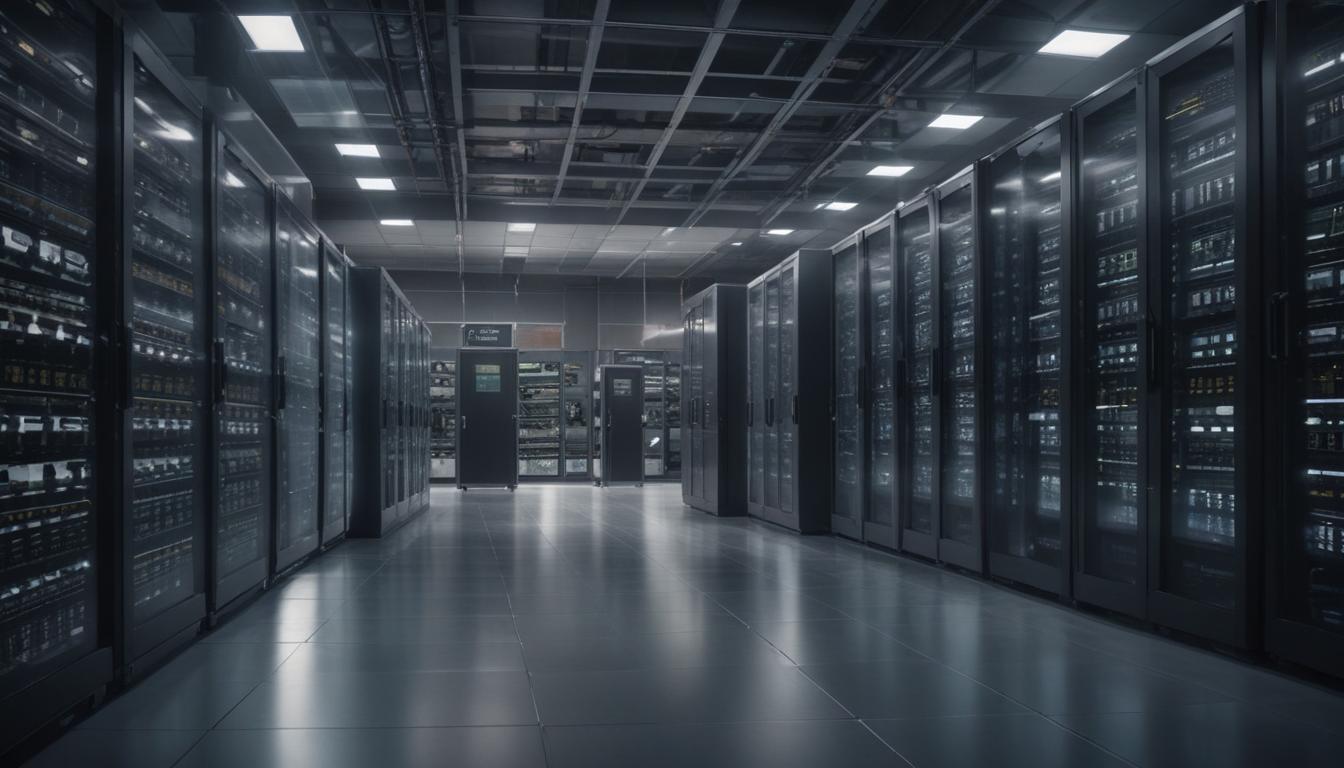
Municipalities are increasingly pushing back against the expansion of AI data centers due to environmental concerns. The high energy consumption and carbon footprint of these centers have led to a backlash from local governments. As AI data centers require significant power for cooling and processing, local officials are voicing concerns over strain on electrical grids and the environmental impact. For instance, recent reports highlight the substantial energy demands of AI infrastructure. This resistance underscores the urgent need for sustainable practices in the tech industry.
Critical Infrastructure Attacks
Ransomware attacks have paralyzed precision agriculture in North Dakota, highlighting the vulnerability of critical infrastructure to cyber threats. This incident underscores the need for enhanced security measures in the agricultural sector. For more details, refer to the related article at AgroInformación.
Emerging Threat Vectors
New threat vectors such as negative light data transmission and DHS surveillance leaks are emerging, posing novel challenges for cybersecurity professionals. These developments require innovative solutions and constant vigilance.
The use of negative light data transmission has been reported to infiltrate secure systems through light-emitting diodes (LEDs). This method exploits the imperceptible flickers of LEDs to transmit data, bypassing traditional security measures. This technique, often overlooked, can be particularly dangerous in environments where LEDs are ubiquitous, such as smart cities and modern offices. For more details, refer to the related article at TechRadar.
Additionally, the recent leaks from the Department of Homeland Security (DHS) have revealed extensive surveillance programs that monitor digital communications globally. These leaks highlight the vulnerabilities in government surveillance systems and the potential for misuse. The exposure of such sensitive information raises significant concerns about privacy and the integrity of national security measures. For more details, refer to the related article at NewsBytes.
These emerging threats underscore the need for a multi-faceted approach to cybersecurity. Organizations must not only protect against known threats but also anticipate and mitigate new attack vectors. This includes enhancing encryption methods, implementing robust access controls, and continuously monitoring for unusual activities. For a deeper dive into rising cyber threats, refer to our article on escalating cyber threats.
Global Threat Actors: Iran and Russian Hackers Intensify Attacks
Global threat actors, notably Iran-linked groups and Russian hackers, continue to target various sectors with sophisticated attacks. The Iran-linked Stryker group has been particularly active, focusing on critical infrastructure and financial institutions. Their tactics involve exploiting vulnerabilities in outdated systems and leveraging phishing campaigns to gain initial access. This group’s operations have been extensively documented in recent reports, highlighting their evolving strategies and the need for heightened vigilance. For more details, refer to the related articles at Help Net Security.
Simultaneously, Russian hackers have been implicated in significant breaches of messaging apps like Signal and WhatsApp. These breaches underscore the critical importance of secure communication platforms. The attacks, which involve advanced malware and social engineering techniques, aim to disrupt and intercept sensitive communications. The ongoing geopolitical tensions fuel these activities, making international cooperation essential. For more details, refer to the related articles at Help Net Security.
The evolving tactics of these actors necessitate a coordinated global response. Security professionals must stay updated on the latest threat intelligence and adapt their defenses accordingly. For a deeper dive into the current cybersecurity landscape, you can explore the geopolitical tensions and cybersecurity threats.
Final words
The increasing frequency and complexity of cybersecurity threats underscore the need for proactive measures and robust cyber defenses. As AI infrastructure faces environmental scrutiny and ransomware targets critical sectors like agriculture, it is crucial for organizations to stay vigilant and adapt to emerging threats. Policymakers and security professionals must collaborate to develop comprehensive strategies to mitigate these risks and protect vital infrastructure. For more details, refer to the source articles linked throughout this report.